
Frog Soup- Episode 14
Frog Soup’s Next Chapter interview introduces the band’s playful origin story, with their name coming from a moss-covered frog photo that looked like “frog soup.” The conversation explores their unusual sound, which blends jazz, funk, folk, metal, prog, disco and experimental influences rather than fitting neatly into one genre.
Each member brings a different musical background to the group, from jazz saxophone and piano roots to fingerstyle guitar, bass inspirations and heavy progressive ideas. Their featured song was built around odd time signatures and a spontaneous jam, later becoming tied to a strangely emotional story about trying to save a dying bee.
Looking ahead, Frog Soup hope to record and release music, play more gigs outside Wollongong, and help create more love for instrumental music that can be meaningful without needing lyric
Full Video - Premiers May 20th 2026 - 7pm
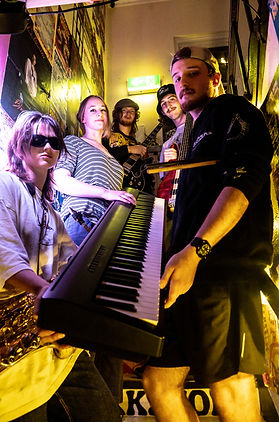
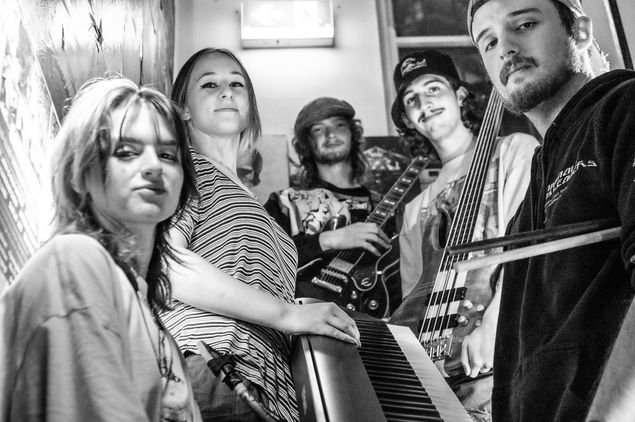
Next Chapter Interview
There is something instantly disarming about Frog Soup. Before the band even begins talking about genre, songwriting or future ambitions, their name does half the work for them. It is strange, memorable and slightly ridiculous, born from a photo of a moss-covered frog that looked, in the band’s words, like a frog sitting in soup. It is the kind of origin story that could only come from a group whose music feels equally playful, instinctive and impossible to neatly categorise.
Appearing on The Next Chapter Series, Frog Soup arrive as a full-bodied collective of different influences, personalities and musical histories. On paper, they might be described as a jazz band, but the interview quickly makes it clear that the label does not quite fit. Jazz is certainly part of their foundation, particularly through saxophone, piano and conservatorium connections, but Frog Soup’s sound is far more slippery than that. Their music pulls from funk, disco, folk, prog metal, Primus-style oddness, self-taught guitar language and heavy instrumental experimentation.
That mixture is what makes them interesting. Frog Soup are not trying to sound like a traditional jazz act. They are building something messier, younger and more alive. Their music seems to live in the space between technical ability and total absurdity, where complicated time signatures can sit comfortably beside jokes about soup, bees and trying to emotionally spite vocalists.
Each member brings a distinct ingredient to the bowl. Ryan’s guitar approach stands apart from the jazz-heavy background of others in the band, leaning into folk fingerpicking, metal textures and delicate melodic lines that float over the heavier parts of the group. Ethan appears to bring a more progressive and rhythmically intense energy, throwing complex ideas into the room almost as a challenge. Around that, the band builds layers of jazz harmony, funk instinct and playful improvisation.
One of the interview’s strongest moments comes when the band discusses the featured song. What begins as a conversation about a drum pattern written in five quickly turns into something far stranger and more heartfelt. During a jam at the Austy chain sheds, the band encountered a dying bee and attempted to revive it with water and eucalyptus. The bee did not survive, but the experience somehow became part of the song’s emotional DNA.
It is a ridiculous story, but also a revealing one. Frog Soup’s music may be complex, but it is not cold. Their songs seem to grow out of moments, jokes, accidents and shared memories. The bee story gives their instrumental work a surprising emotional core. It shows a band capable of turning something tiny and absurd into something meaningful.
The interview also captures the chemistry of the group. They interrupt, correct, laugh, pass questions around and occasionally lose the thread entirely, but that looseness works in their favour. Frog Soup do not present themselves as a polished product. They feel like a band still discovering what they are, and that makes the conversation more honest. Their identity is not manufactured. It is forming in real time.
Looking ahead, the band’s next chapter is clear: recording. Frog Soup are ready to get their music out into the world, play more shows, move beyond Wollongong and test themselves in wider scenes. There is talk of Sydney, festivals and the possibility of fitting more naturally into indie spaces than traditional jazz circles. That makes sense. Frog Soup may have jazz in their bones, but their spirit feels closer to experimental youth culture, where genre is less important than energy, originality and feeling.
Perhaps the most defining statement in the interview is the band’s desire to create more love for instrumental music. There is a cheeky defiance in their belief that songs do not need lyrics to be meaningful. Frog Soup are not simply waiting for a vocalist to arrive. They are actively exploring what can be said without words.
By the end of the interview, Frog Soup emerge as one of Wollongong’s most intriguing young instrumental acts: technically sharp, emotionally odd, deeply playful and full of potential. They are weird in the right way. Their music sounds like it is built from friendship, strange timing, inside jokes, jazz knowledge, heavy instincts and moments that should not work but somehow do.
Frog Soup’s next chapter feels wide open. Record the music. Play the gigs. Find the audiences. Keep the soup strange.